At cleanerdatamkt, we believe that modern marketing decisions should always be guided by reliable data and actionable insights. In today’s competitive digital environment, businesses can no longer rely solely on assumptions or traditional marketing methods. Instead, companies must analyze customer behavior, track campaign performance, and continuously optimize their strategies using real data.
This shift has led to the rapid rise of data-driven marketing, a strategy that uses analytics and customer insights to improve marketing decisions. Companies that adopt this approach can create more targeted campaigns, increase marketing efficiency, and achieve better returns on investment.
In this article, we explore why businesses are investing more in data-driven marketing and how this strategy is transforming modern digital marketing.
What Is Data-Driven Marketing?
Data-driven marketing refers to the process of using data and analytics to guide marketing strategies and decisions. Instead of relying on guesswork, businesses analyze customer information and campaign performance metrics to understand what works and what does not.
This data can come from many different sources, including:
- Website analytics
- Social media engagement metrics
- Email marketing performance
- Online advertising campaigns
- Customer purchase history
By analyzing these data points, businesses can gain valuable insights into how customers behave online and what influences their purchasing decisions.
For example, a company may discover that most of its website traffic comes from mobile devices. With this information, the business can prioritize mobile optimization and improve the user experience for mobile users.
Data-driven marketing enables businesses to make smarter decisions and create more effective marketing strategies.
Understanding Customer Behavior
One of the biggest advantages of data-driven marketing is the ability to better understand customer behavior.
Modern digital platforms allow businesses to track how users interact with their websites, advertisements, and content. These insights help marketers identify patterns and trends in customer behavior.
For instance, businesses can analyze:
- Which products customers view most frequently
- How long visitors stay on specific pages
- What types of content generate the most engagement
- Which marketing channels drive the most conversions
With this information, companies can tailor their marketing messages to match customer preferences.
Understanding customer behavior also allows businesses to create more personalized marketing campaigns, which often lead to higher engagement and stronger brand loyalty.
Improving Marketing Efficiency
Marketing budgets are limited for most businesses, which means companies must use their resources efficiently.
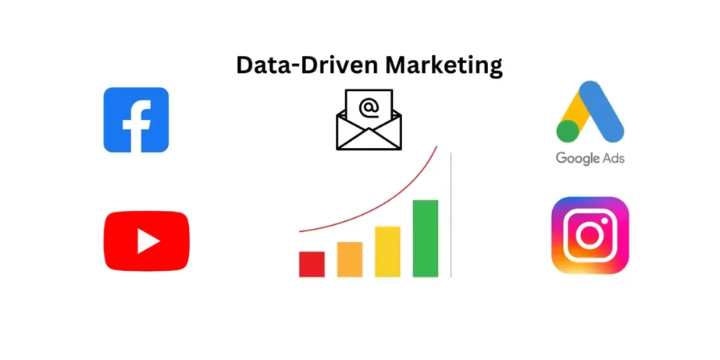
Data-driven marketing helps organizations identify which marketing channels deliver the best results. Instead of investing in multiple strategies blindly, businesses can focus on the channels that generate the highest returns.
For example, analytics may reveal that social media advertising produces more leads than display advertising. In this case, businesses can allocate more budget to social media campaigns while reducing spending on less effective channels.
By making data-backed decisions, businesses can improve marketing efficiency and reduce unnecessary spending.
Enhancing Personalization in Marketing
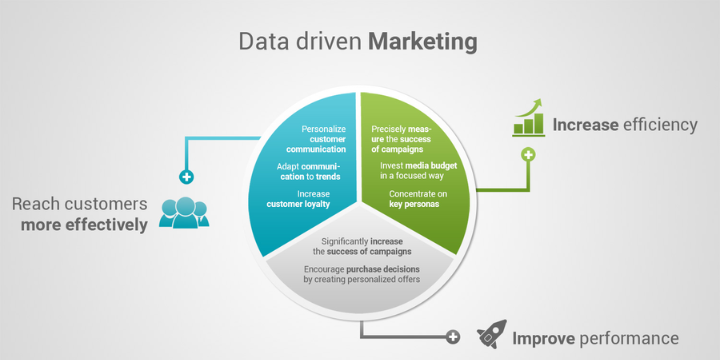
Consumers today expect personalized experiences when interacting with brands. Generic marketing messages are becoming less effective as audiences demand more relevant and tailored content.
Data-driven marketing makes personalization possible by analyzing customer data and identifying individual preferences.
Examples of personalized marketing include:
- Product recommendations based on browsing history
- Personalized email campaigns
- Targeted advertisements based on user interests
- Customized website experiences
Personalization helps businesses build stronger connections with their audiences and improves the likelihood of conversions.
When customers feel that a brand understands their needs, they are more likely to trust that brand and remain loyal.
Supporting Better Marketing Decisions
Another key benefit of data-driven marketing is improved decision-making.
In traditional marketing, decisions were often based on assumptions or limited information. Today, businesses have access to powerful analytics tools that provide detailed insights into campaign performance.
These tools allow marketers to track metrics such as:
- Click-through rates
- Conversion rates
- Customer acquisition costs
- Return on investment
By analyzing these metrics, businesses can identify which strategies are working and which need improvement.
This continuous optimization process allows companies to refine their marketing strategies and achieve better results over time.
The Role of Artificial Intelligence in Data Marketing
Artificial intelligence is playing an increasingly important role in data-driven marketing. AI-powered tools can analyze large datasets quickly and identify patterns that humans might overlook.
Many marketing platforms now use artificial intelligence to automate tasks such as:
- Audience segmentation
- Campaign optimization
- Predictive analytics
- Content recommendations
AI technology enables businesses to process large amounts of data and generate insights in real time.
As artificial intelligence continues to evolve, it will further enhance the capabilities of data-driven marketing.
Competitive Advantages for Businesses
Businesses that adopt data-driven marketing gain a significant competitive advantage.
Companies that rely on analytics can better understand their audiences, create more targeted campaigns, and respond quickly to market changes.
In contrast, businesses that ignore data may struggle to keep up with competitors who use analytics to guide their strategies.
Data-driven marketing also allows companies to test new ideas quickly and measure their effectiveness. This flexibility helps businesses adapt to changing market conditions and customer preferences.
Conclusion
Data-driven marketing is transforming the way businesses approach digital marketing strategies. By using analytics and customer insights, companies can create more targeted campaigns, improve marketing efficiency, and achieve stronger results.
As digital technologies continue to evolve, the importance of data-driven decision-making will only increase. Businesses that invest in data-driven marketing strategies today will be better prepared to compete in the future.
Companies that embrace analytics, personalization, and continuous optimization will gain a significant advantage in the increasingly competitive digital marketplace.
For organizations looking to maximize marketing performance and long-term growth, adopting a data-driven approach is no longer optional—it has become a necessity.