

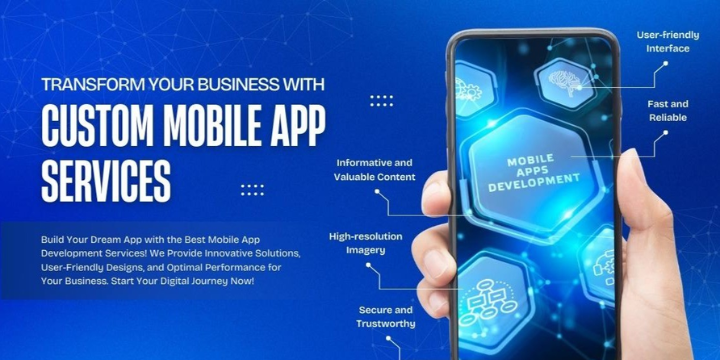
In today’s digital-first world, mobile technology has become an essential part of everyday life. Smartphones are no longer just communication tools—they are powerful devices that support business operations, digital services, and customer engagement. As a result, mobile applications have become one of the most valuable digital assets for modern businesses.
Companies across various industries are investing heavily in mobile app development to improve efficiency, streamline operations, and deliver better customer experiences. From retail and banking to healthcare and logistics, mobile applications are transforming how businesses operate and interact with their customers.
The growing popularity of smartphones and mobile internet usage has created new opportunities for businesses to reach their audiences more effectively. Mobile apps allow companies to provide services instantly, automate internal processes, and build stronger relationships with customers.
At cleanerdatamkt, we closely follow how mobile technology and app development continue to transform modern business operations.
The Rapid Growth of Mobile Technology
The rapid growth of mobile technology is one of the main reasons why businesses are focusing more on mobile applications. According to global digital reports, billions of people worldwide now use smartphones daily for browsing, shopping, communication, and entertainment.
Consumers increasingly rely on mobile devices to search for information, compare products, and complete purchases. This shift in consumer behavior has forced businesses to adapt their digital strategies.
Websites alone are often not enough to meet the expectations of modern consumers. Mobile apps provide faster performance, personalized experiences, and more convenient interactions compared to traditional websites.
Businesses that invest in mobile apps can offer seamless digital experiences while staying connected with their customers at all times.
Enhancing Customer Experience
One of the biggest advantages of mobile apps is their ability to enhance customer experience. Today’s customers expect fast, convenient, and personalized interactions when dealing with businesses.
Mobile applications provide a user-friendly interface that allows customers to access products, services, and information quickly. With just a few taps, users can browse products, place orders, book services, or contact customer support.
Apps can also include features such as:
- Personalized product recommendations
- In-app messaging support
- Secure digital payments
- Order tracking and notifications
- Loyalty programs and rewards
These features significantly improve the overall customer experience and increase customer satisfaction.
Businesses that prioritize mobile app development can build stronger relationships with their customers and encourage long-term loyalty.
Improving Customer Engagement

Mobile apps also help businesses increase customer engagement. Unlike websites, mobile apps allow companies to communicate directly with users through push notifications.
Push notifications can be used to send important updates, promotions, reminders, or personalized offers. This direct communication channel keeps customers engaged and encourages them to interact with the brand more frequently.
For example, e-commerce businesses can notify users about limited-time discounts or new product releases. Service-based companies can send appointment reminders or personalized recommendations.
These engagement strategies help businesses stay connected with their audience while increasing brand visibility.
Streamlining Internal Business Operations
Mobile applications are not only useful for customers—they also play an important role in improving internal business operations.
Many companies develop custom business apps to support internal management tasks. These apps can help employees access important data, track performance, and collaborate more efficiently.
Examples of internal business applications include:
- Inventory management systems
- Sales tracking apps
- Employee communication tools
- Project management platforms
- Logistics and delivery tracking apps
By digitizing these processes, businesses can reduce manual work, minimize errors, and improve overall productivity.
Employees can access important information anytime and anywhere, which increases operational flexibility and efficiency.
Data Collection and Business Insights

Mobile applications provide businesses with valuable data about user behavior and preferences. Every interaction within an app generates data that can help companies understand how customers use their products or services.
Businesses can analyze app data to identify patterns such as:
- Which features users interact with the most
- How long users spend in the app
- Which products or services are most popular
- Where users drop off during the purchasing process
These insights help businesses make informed decisions and improve their products, services, and marketing strategies.
Data analytics also allows companies to continuously optimize their apps and deliver better user experiences.
Strengthening Brand Presence
Mobile apps also strengthen a company’s brand presence in the digital marketplace. When customers download a mobile app, the brand becomes part of their daily digital environment.
The app icon appears on the user’s smartphone, reminding them of the brand whenever they use their device. This constant visibility helps businesses stay top-of-mind with their customers.
Mobile apps also allow businesses to maintain consistent branding through design, content, and user experience. A well-designed app reflects professionalism and builds trust with users.
Over time, this consistent brand experience helps companies build stronger brand loyalty.
Gaining Competitive Advantage
In competitive markets, mobile apps can provide businesses with a significant advantage. Companies that offer convenient and efficient mobile services often stand out from competitors that rely only on traditional websites.
For example, businesses that provide mobile ordering, digital payments, or personalized services through apps often attract more customers.
Mobile apps can also support innovative features such as:
- Augmented reality shopping experiences
- AI-powered recommendations
- Real-time service tracking
- Smart notifications
These technologies create unique customer experiences that differentiate brands in the marketplace.
Supporting Digital Transformation
Mobile apps are a key component of digital transformation. As businesses adopt digital technologies, mobile applications help connect different systems and improve communication between departments.
For example, a mobile app can integrate with:
- Customer relationship management systems (CRM)
- Enterprise resource planning platforms (ERP)
- Data analytics dashboards
- Cloud-based business tools
This integration allows businesses to centralize data and streamline operations.
Digital transformation supported by mobile applications enables companies to operate more efficiently and adapt quickly to changing market conditions.
Conclusion
Mobile applications have become powerful tools that transform how businesses operate and interact with their customers. From improving customer experience and increasing engagement to streamlining internal operations and providing valuable business insights, mobile apps offer numerous benefits for modern organizations.
As mobile technology continues to evolve, businesses that invest in app development will be better positioned to compete in the digital marketplace. Mobile apps not only improve operational efficiency but also strengthen brand presence and customer loyalty.
For companies looking to grow in the digital era, mobile app development is no longer optional—it has become an essential part of a successful digital strategy.